
Browse the collection

Discover our range of weight loss solutions.
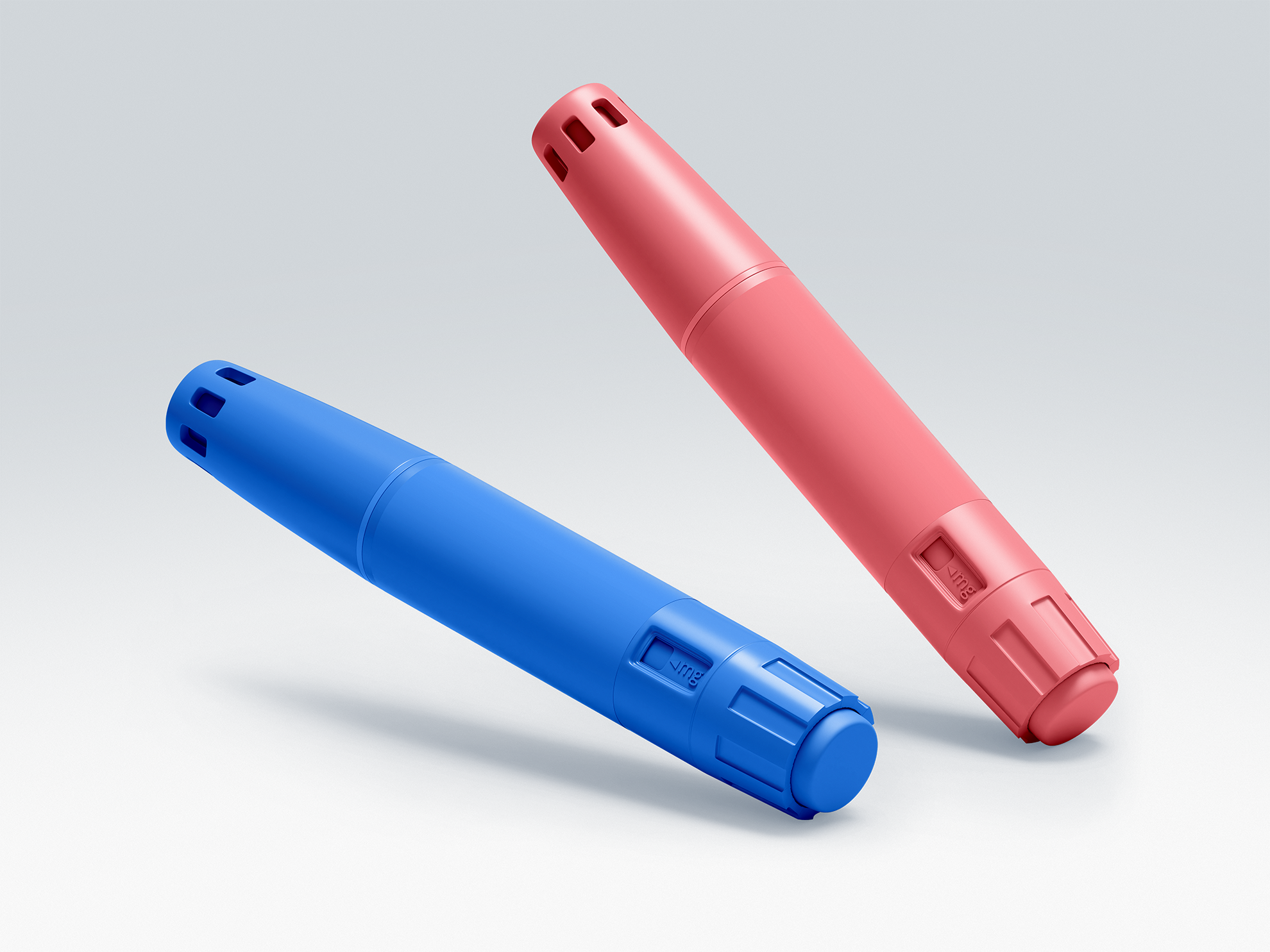
Distributor:Eli Lilly

Mounjaro

From €196,68
Distributor:Novo Nordisk

Wegovy

From €196,68
Distributor: Distributor

Product title

€19,99
Distributor: Distributor

Product title

€19,99
Distributor:NEON

Xenical

€98,34

Affordable

With treatments starting from €189.99 and monthly subscription options, your weight loss journey remains affordable.

Fast

Our clinical team reviews and releases orders within 24 hours, with no long wait times and express delivery available across Europe.

Reliable

Packed with ice packs and insulated packaging, you can be rest assured that your medication will turn up on time, all the time in pristine condition.

What is weight loss?

Weight loss is a key goal for many people across Europe who are seeking to improve their health and overall wellbeing. It involves the intentional reduction of excess body fat through a strategic combination of dietary changes, increased physical activity, and meaningful lifestyle adjustments. Beyond appearance, achieving a healthy weight is essential for preventing and managing a range of obesity-related health conditions and improving overall quality of life.

About Weight Loss

Causes

Gaining weight is often a complex biological process rather than simply a lack of willpower. Multiple factors can influence how your body stores and burns energy:

Biological & Hormonal Factors: Your body has a natural "set point" regulated by hormones that signal hunger and fullness. For many people, these signals (such as GLP-1) may not function optimally, leading to constant hunger or a slow metabolism.

Genetic Predisposition: Genetics play a significant role in determining your body shape, how efficiently you burn calories, and your likelihood of storing fat.

Medications & Health Conditions: Certain prescription medicines and underlying health issues (such as thyroid conditions or PCOS) can alter your metabolism, causing weight gain even when you are eating normally.

Environmental Influences: Modern life often involves sedentary work and easy access to high-calorie foods, creating an environment that disrupts your body’s natural energy balance.

Psychological Factors: Chronic stress, poor sleep, and emotional factors can trigger hormonal responses (like elevated cortisol) that encourage the body to hold onto weight.

Diagnosis

Before starting any treatment, it is vital to understand your specific health profile. We determine eligibility based on medical safety guidelines:

Body Mass Index (BMI): We use BMI as an initial screening tool to understand your weight in relation to your height and to determine if medical intervention is indicated.

Comprehensive Safety Review: Our clinical assessment reviews your medical history and current medications. This ensures that weight loss medication is safe for you and helps rule out other medical reasons for weight gain.

Treatments

Our selected treatments are designed to address the biological drivers of weight gain, making it physically easier for you to maintain a lower-calorie diet.

GLP-1 Receptor Agonists (Mounjaro, Wegovy): These injectable medications mimic the body’s natural hormones that regulate appetite. By acting on the hunger centers in the brain and slowing stomach emptying, they reduce cravings and help you feel fuller for longer. This quiets "food noise," allowing you to manage your food intake more effectively.

Lipase Inhibitors (Orlistat): This medication works in the digestive system rather than the brain. It blocks enzymes that break down fat, preventing about one-third of the dietary fat you eat from being absorbed by your body.

Prevention

Long-term weight management is about protecting your metabolic health and preventing weight regain after treatment.

Sustainable Activity: integrating regular movement, aiming for at least 150 minutes of moderate activity per week, is one of the most effective ways to maintain weight loss and support cardiovascular health

Sleep & Stress Management: Prioritizing good sleep and managing stress are often overlooked but are essential for keeping hunger-regulating hormones in balance.

Nutritional Awareness: Continuing to be mindful of portion sizes and food choices ensures that the results achieved with medication are maintained long-term.

Further info

Further information about medical weight-loss treatments, including GLP-1 therapies, is available in the articles published on our website.

The consultation process

How does the online consultation work?

To get started, you will complete a secure online questionnaire that collects essential information about your health and weight loss goals. This allows our licensed healthcare professionals to assess whether treatment is suitable for you.

Once submitted, your responses are carefully reviewed, and a clinician may contact you if additional information is needed. If approved, a prescription will be issued and your treatment will be dispatched from our EU-based pharmacy.

Start your consultation

Do I need to book an appointment or wait to be contacted?

No appointment is required. The consultation is fully flexible and can be completed at any time, at your convenience. You can pause the form and return to it whenever you wish. Once submitted, one of our healthcare professionals will review it within 24 hours. If, for any reason, you do not receive a response within this timeframe, simply contact us at  info@medetone.com and we will respond promptly.
Commencez n’importe quand, n’importe où

How much does the online consultation cost?

The online consultation is completely free. You only pay if you are approved for treatment. If you are not eligible, your payment will be fully refunded. You can also speak with a clinician beforehand, with no obligation, to help determine which weight loss treatment is most suitable for your needs.

Check your eligibility for free

What is the difference between Mounjaro and Wegovy?

What is Mounjaro?

The most recent treatment approved for weight loss and type 2 diabetes.

It contains tirzepatide, a medication that targets two key hormones: GLP-1 and GIP.

This dual-action mechanism not only reduces appetite but also improves blood sugar control.

It is designed to deliver better results when combined with lifestyle changes.

What is Wegovy?

Approved for weight management in adults who are overweight or living with obesity.

It contains semaglutide, a GLP-1 receptor agonist.

This medication mimics a natural hormone that acts on appetite control centres in the brain.

It helps reduce hunger and calorie intake, supporting sustainable weight loss.

What treatments may be suitable for me if I do not want to use injectables?

What are the chemical differences between oral and injectable treatments?

Although oral and injectable weight loss medications may contain the same active ingredient, such as semaglutide, they are chemically designed to suit their method of administration. Injectable treatments enter the bloodstream directly, while oral forms must pass through the digestive system. Their formulations therefore differ to ensure effectiveness.

Key differences:

  • Injectables bypass digestion, allowing for more efficient absorption. Oral forms require absorption-enhancing agents.
  • Oral tablets use protective coatings and carrier substances to withstand stomach acid.
  • Injectables are often more chemically stable, particularly for peptide-based medications.
  • Injectable treatments generally achieve higher levels of the medication in the bloodstream.
  • Oral tablets typically contain more excipients, such as binders and coatings, than injectables.

Are oral medications as effective as injections?

Oral weight loss medications can be effective, but they do not always work in exactly the same way as injections. Even when the active ingredient is the same, oral versions are absorbed differently by the body, which can slightly affect how much of the medication is available to work.

That said, for some people, oral options offer a more practical and still clinically effective alternative.

Key points:

  • Oral forms may deliver lower levels of the medication into the bloodstream compared to injectables.
  • Oral doses are often higher to compensate for reduced absorption.
  • Clinical trials show that oral semaglutide, such as Rybelsus, can result in weight loss comparable to injections for some individuals.
  • For people who are uncomfortable with injections, oral medications can be an effective alternative, provided they are taken correctly and consistently.

FAQs

How do these medications actually help me lose weight?

Weight loss is not just about willpower; it is often about biology. Our medications work in two main ways depending on which treatment is prescribed. GLP-1 injections (like Wegovy or Mounjaro) mimic a natural hormone that tells your brain you are full, which helps quiet "food noise" and reduces cravings. Lipase inhibitors (like Orlistat) work in your digestion to prevent your body from absorbing some of the fat from your meals. Both options are designed to make it physically easier for you to stick to a calorie-controlled diet without constantly fighting against hunger.

Do I still need to diet and exercise while taking medication?

Yes, medication is a tool, not a replacement for healthy habits. Think of these treatments as a support system that makes the hard work of dieting easier. Because the medication reduces your appetite or alters fat absorption, you will likely find it much less of a struggle to eat smaller portions and make healthier choices. However, for the best and most sustainable results, it is important to use this opportunity to establish a balanced diet and regular movement routine that suits your lifestyle.

How quickly will I see results?

Weight loss is a journey, and every body responds differently. Some people notice a difference in their appetite within the first few days, while for others, it may take a few weeks as the dosage is gradually increased. Healthy, sustainable weight loss typically happens at a rate of 0.5kg to 1kg per week. Losing weight gradually is safer and gives your body time to adjust, which helps in maintaining your results in the long run.

What happens if I stop taking the medication?

Weight management is often a long-term commitment. Because these medications address the biological drivers of hunger, stopping them can cause those natural hunger signals to return. If healthy lifestyle habits haven't been fully established, there is a risk of regaining weight. Many patients view this treatment as a long-term therapy to manage their metabolic health, similar to how one might treat blood pressure or asthma.

Didn’t find your answer?

Don't hestitate to contact us

Start my consultation